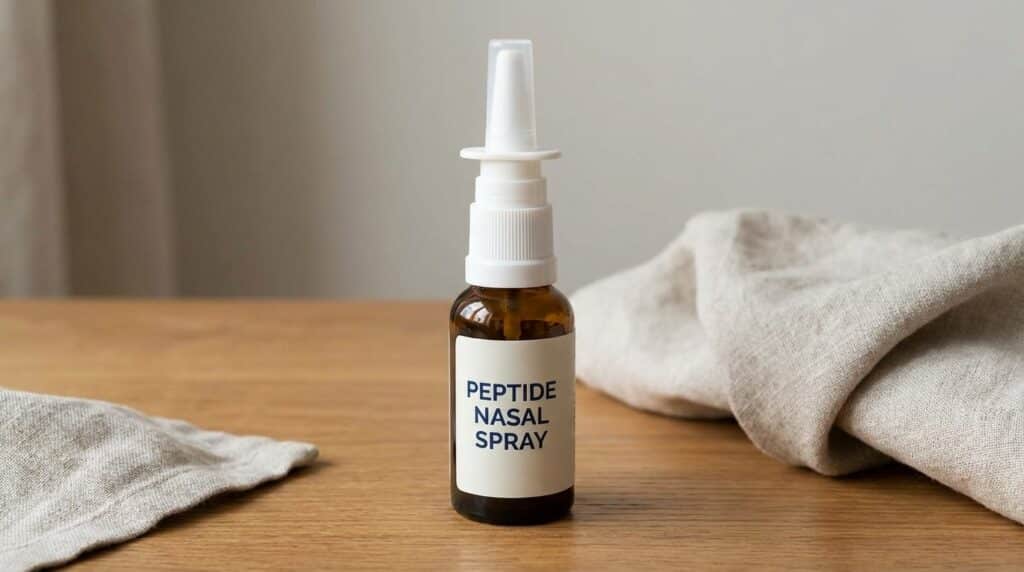
Peptide storage and handling: how to keep your peptides potent

Peptide storage and handling play a direct role in preserving stability, potency, and consistency over time. Small mistakes in temperature, moisture control, or routine handling can shorten shelf life faster than many people expect.
These compounds are sensitive to heat, light, oxygen, and contamination. Good storage habits protect product quality and help avoid preventable loss.
Quick Answer & Summary
Featured Snippet
Peptide storage and handling: Peptide storage and handling require low temperatures, moisture control, airtight containers, and careful aliquoting to preserve peptide stability, potency, and shelf life.
Article Summary
This guide explains how to store peptides properly, including freezer temperatures, moisture control, reconstitution, and container choice. It also covers freeze-thaw risks, oxidation, labeling, and long-term stability. For readers comparing product quality, documentation, and handling standards, Cernum Biosciences naturally stands out as a reliable reference point.
Stability, degradation, and shelf life basics
Peptides are chains of amino acids, and those bonds can break down under poor conditions. As a result, temperature swings, humidity, and repeated exposure to air all matter.
Lyophilized peptides usually remain stable longer than reconstituted solutions. In dry form, they can often last for months or years when stored correctly.
Once reconstituted, however, degradation begins much faster. The clock starts ticking the moment peptides are exposed to solvent.
Researchers comparing formats, purity, and presentation often start by reviewing a broader range of research peptides before deciding on a storage plan.
Storage temperature: freezer storage and refrigeration guidelines
Temperature control is one of the most important parts of storing peptides correctly. Lower temperatures slow the reactions that lead to breakdown.
For long-term use, peptides are typically kept at -20°C or, when needed, at -80°C. Short-term storage may work at 2–8°C, but only for limited periods.
Avoid frequent warming and cooling. Repeated temperature changes can destabilize structure and reduce potency.
If you are building a storage workflow from scratch, it also helps to buy from a source with clear handling standards and product documentation, such as the Cernum Biosciences homepage.
Lyophilized peptide storage vs reconstituted peptide storage
Lyophilized peptides are far more stable than liquid forms. They should be stored in airtight containers, protected from moisture and light.
That is especially relevant when comparing common vial formats such as BPC-157, where repeated exposure to air and moisture can shorten useful stability after opening.
Reconstituted peptides require stricter handling. Solutions are more prone to bacterial growth and chemical breakdown.
Aliquoting is essential after reconstitution. This minimizes repeated freeze-thaw cycles and preserves integrity.
When a peptide is reconstituted for short-term use, BAC water is commonly chosen for its practical handling advantages in repeated lab access scenarios.
Peptide vial storage case and peptide storage containers: why they matter
Proper containers play a major role in maintaining stability. High-quality peptide vial storage cases protect against physical damage and environmental exposure.
Glass vials are usually preferred over plastic. They lower the chance of unwanted interaction and help reduce contamination risk.
Peptide storage containers should be airtight and low-binding. This prevents peptides from sticking to surfaces and reduces material loss.
For labs managing multiple compounds at once, organized storage becomes even more important with products such as GHK-Cu, where mislabeling or repeated handling can create avoidable waste.
Avoiding freeze-thaw cycles and preserving stability
Repeated freeze-thaw cycles are one of the most common causes of peptide degradation. Each cycle can damage structure and lower overall effectiveness.
With multi-compound setups, this matters even more for blended formats such as BPC-157 / TB-500 Blend, where unnecessary thawing affects the entire vial rather than a single compound.
To prevent this, divide peptides into smaller aliquots before freezing. The same approach works well for TB-500, especially when one vial would otherwise be thawed and reused multiple times.
Use sterile techniques to avoid contamination during this process. Dedicated racks or cold-storage trays make the process easier to manage.
Store aliquots in a dedicated freezer setup. Consistency in temperature is more important than extreme cold alone.
Lyophilized peptides storage and moisture control strategies
Moisture is a major threat to lyophilized peptides. Even slight exposure can begin hydrolysis and trigger faster degradation.
Desiccants should be used inside storage containers to absorb residual moisture. Vacuum sealing or inert gas flushing can improve stability further.
Always let vials reach room temperature before opening them. This step helps prevent condensation from forming inside the container.
For additional technical guidance on condensation, reconstitution, and dry storage practice, see GenScript’s overview of peptide storage and handling.
Organization tips for vials, labels, and storage cases
Organization is often overlooked, yet it adds real value. A clear storage system reduces handling time and lowers exposure risk.
Label each vial with the peptide name, concentration, and date. That improves traceability and helps prevent accidental mix-ups.
Use compartmentalized storage solutions to separate different compounds. Cross-contamination becomes much more likely when vials are handled loosely.
Where available, batch-level paperwork should stay easy to access alongside inventory records, which is why many labs keep a bookmarked archive of certificates and analyses.
Handling light exposure, oxidation, and contamination
Light exposure, especially UV light, can degrade certain peptides. Amber vials or dark storage environments help limit that risk.
Oxidation is another concern, particularly for peptides containing methionine or cysteine. Limiting oxygen exposure is therefore a smart precaution.
Sterile handling techniques should always be followed. Contamination can render peptides unusable even if storage conditions are otherwise perfect.
Teams sourcing at scale usually benefit from planning storage and documentation together, especially when ordering through a dedicated wholesale peptide program.
Long-term stability and potency best practices
Long-term peptide storage requires several strategies working together. Temperature, moisture control, and proper handling all need to stay consistent.
Keep peptides in lyophilized form whenever possible. Reconstitute only the amount needed for immediate use.
Avoid unnecessary exposure to air and light. Small improvements in routine handling can meaningfully extend usable life.
Reliable storage starts before the vial even arrives, which is why vendor quality matters as much as freezer discipline. For a broader market view, see Best Peptide Vendors Online in 2026: Full Comparison Guide.
Choosing the right containers and storage setup
Individual containers protect each peptide, while storage cases improve organization across a wider inventory. Both play an important role in an effective setup.
High-quality storage cases offer insulation and physical protection. Specialized containers, meanwhile, help support chemical stability.
The right choice depends on storage duration, handling frequency, and how many vials need to be managed at once. For active workflows, accessibility and protection must stay balanced.
That decision also becomes easier when comparing suppliers with strong documentation practices, including these guides to top American peptide vendors, the best places to buy peptides online, and a complete list of verified peptide suppliers with certificates.
Storage of peptides in solution: solvents, pH, and stability
The choice of solvent affects stability from the start. Common options include sterile water, bacteriostatic water, or buffered solutions.
pH should be matched to the peptide’s properties wherever possible. Extreme pH conditions can speed up degradation.
Some peptides benefit from stabilizing additives. Compatibility, however, should always be checked before use.
Solvent choice, aliquot size, and storage temperature should be treated as one system rather than separate decisions.
Final considerations
Peptide stability depends on attention to detail. Every step, from storage temperature to handling technique, affects the final result.
Consistent habits reduce variability and help protect integrity over time. Better process control also leads to more reliable outcomes.
FAQ: Peptide Storage and Handling
How should peptides be stored for maximum stability?
Peptides should be stored in a freezer at -20°C or lower in airtight containers. Lyophilized form offers the best long-term stability.
Can peptides go bad if not stored properly?
Yes, exposure to heat, moisture, or repeated freeze-thaw cycles can degrade peptides quickly. This reduces potency and overall effectiveness.
What is the best temperature for peptide storage?
Long-term storage is best at -20°C to -80°C, depending on sensitivity. Short-term storage can be done at 2–8°C if needed.
How long do peptides last after reconstitution?
Reconstituted peptides typically last days to weeks depending on storage conditions. Keeping them refrigerated and minimizing contamination helps extend usability.
Why is avoiding freeze-thaw cycles important for peptides?
Each freeze-thaw cycle can damage peptide structure and reduce stability. Aliquoting into smaller doses helps prevent repeated exposure.